
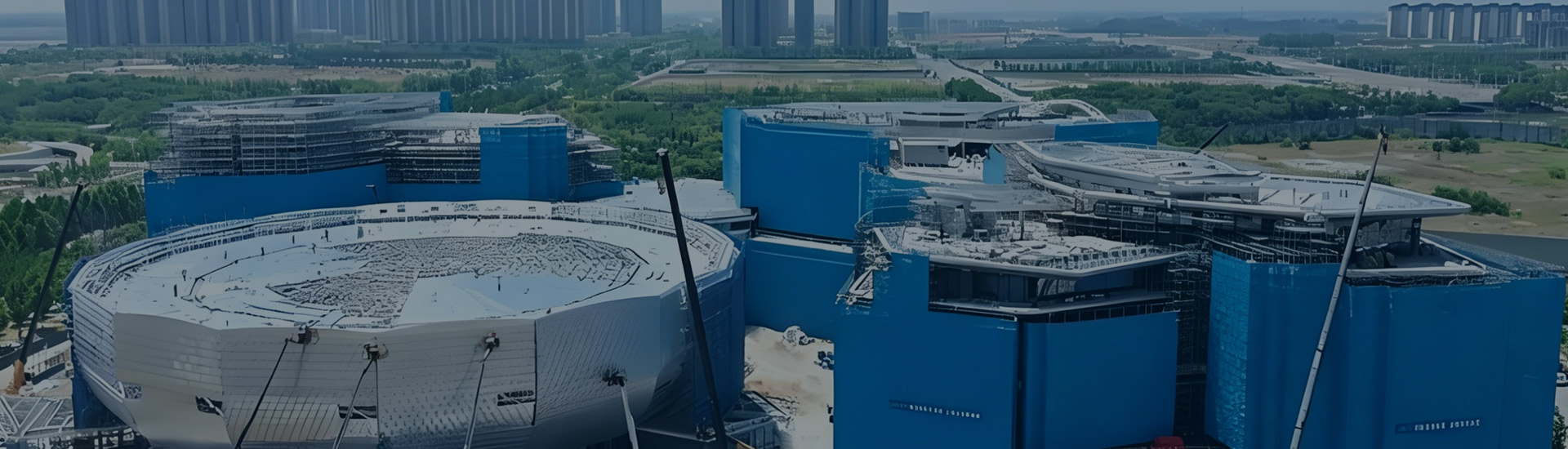
In the building curtain wall industry, the thickness of aluminum panels directly determines the stability, flatness, weather resistance and service life of building exterior walls. Most overseas commercial projects, hotel renovation projects and high-end complex projects prefer to adopt 2.5mm national standard thickened aluminum panels, instead of conventional 2.0mm and 1.5mm thin panels.
Many purchasers overlook a key point: for exterior wall aluminum panels, thinner is not more cost-effective. Thickened panels deliver higher stability and better adaptability to complex overseas climatic conditions.
This article professionally explains the core advantages of 2.5mm thickened aluminum panels, helping overseas engineering clients quickly grasp the professional material selection logic.
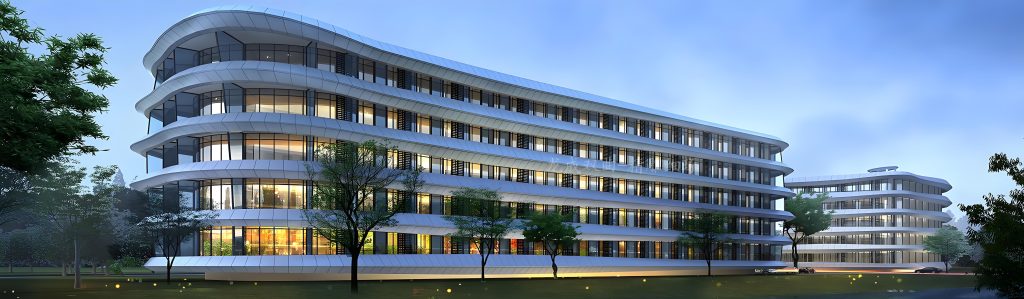
Thin aluminum panels are prone to slight deflection and deformation during spraying, transportation and installation, resulting in uneven surfaces and irregular light and shadow effects on finished walls. High-end hotels and commercial complexes have extremely strict requirements for exterior wall flatness, which thin panels can hardly meet.
The 2.5mm thickened panel features higher rigidity and uniform internal stress, delivering excellent surface flatness and neat linear effects after installation. It presents superior architectural texture, making it ideal for high-end renovations and landmark building projects.
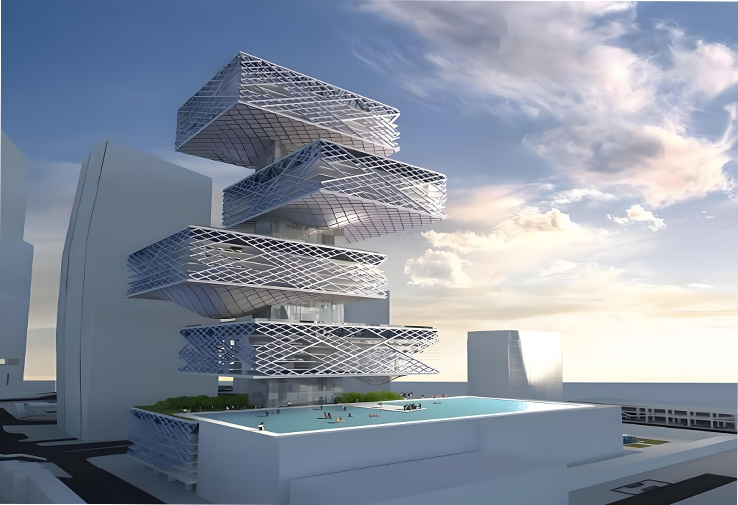
Most overseas commercial buildings and hotels are high-rise or super high-rise structures that bear strong outdoor wind pressure. Conventional 1.5mm and 2.0mm thin panels are prone to bulging, wave deformation, screw depression and joint cracking under long-term wind load.
The 2.5mm thickened substrate boasts higher structural strength, with wind resistance performance improved by more than 30%. It eliminates the need for dense reinforcing ribs, effectively reducing installation costs and maintaining long-term wall stability. It is perfectly suitable for wind-prone open commercial areas in the Middle East and Southeast Asia.
Desert regions such as Saudi Arabia and the UAE are exposed to continuous sand and wind erosion all year round. Thin panels easily form sand scratches and dents, leading to obvious aging and fading of exterior walls within 3 to 5 years.
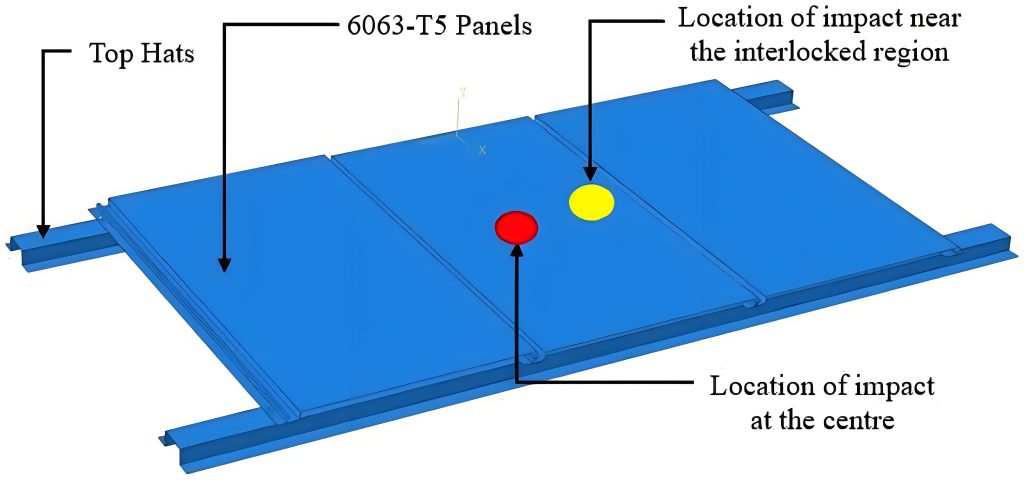
The 2.5mm thickened aluminum panel features solid substrate and high overall hardness, resisting impact and sand abrasion without leaving dents or scratches. It greatly improves the durability of exterior walls and adapts perfectly to extreme desert environments.
Many overseas regions have extreme temperature differences: daytime temperatures reach 50°C while nighttime temperatures drop to 20°C in the Middle East; winter temperatures fall to -40°C in Kazakhstan. Sharp temperature changes easily cause thermal expansion and contraction of thin panels, resulting in coating cracking and edge warping.
The 2.5mm thickened panel features stable structural performance and uniform thermal expansion coefficient, effectively avoiding panel deformation and coating cracking caused by extreme temperature differences, and adapting to various global harsh climates.
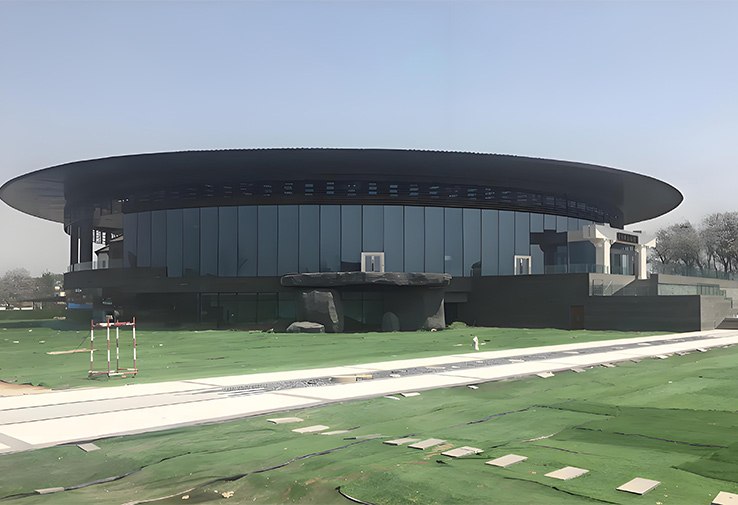
In recent years, hotel and shopping mall exterior wall renovation has become the mainstream demand in overseas markets. Aging and uneven old keel structures are easy to drive the deformation of thin panels. With inherent structural strength, 2.5mm thickened panels can fine-tune flatness automatically with higher fault tolerance, delivering better renovation effects. It has become the preferred thickness for overseas building renovation projects.
Thick substrates maintain stable status during spraying without shaking or deformation, ensuring uniform PVDF fluorocarbon coating adhesion. The finished panel effectively prevents coating delamination, powdering and cracking.
Accordingly, 2.5mm PVDF fluorocarbon aluminum panels support15–20 years of outdoor service life, far longer than conventional thin panels.
Core advantages: Higher flatness, stronger wind resistance, better impact resistance, lower thermal deformation, higher compatibility for renovations, and longer service life.
1.5mm and 2.0mm panels: suitable for ordinary residential buildings, interior walls and simple exterior walls; 2.5mm national standard thickened panels: ideal for commercial complexes, high-end hotels, high-rise curtain walls, renovation projects and buildings in extreme climate regions.